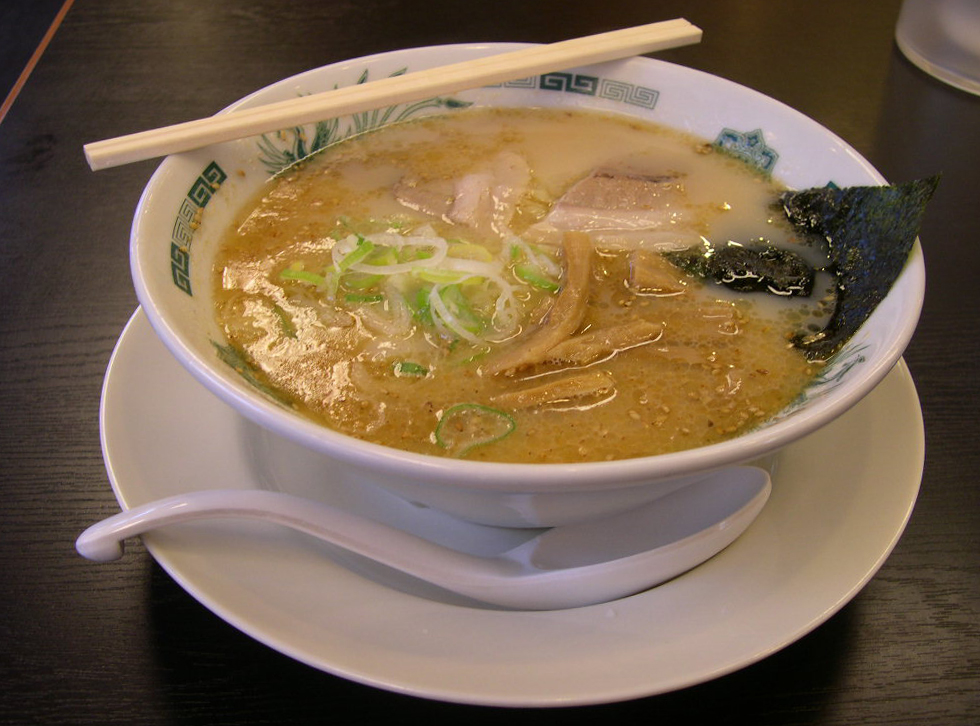
Beyond Pork: Mastering Plant-Based Tonkotsu Ramen for a Sensual Feast
The mere mention of tonkotsu ramen evokes images of a rich, creamy, deeply savory broth, firm noodles, and a medley of enticing toppings. It's a dish synonymous with comfort, complexity, and a profound culinary experience. Originating from Fukuoka, Japan, traditional tonkotsu is celebrated for its distinctive cloudy broth, achieved by simmering pork bones for countless hours until they yield their collagen and flavor. But what if you could capture that same beloved, sensual feast without a single piece of pork? Prepare to dive into the world of plant-based tonkotsu ramen, a magnificent culinary achievement that offers all the satisfaction with a compassionate, nourishing twist.The Allure of Tonkotsu: A Sensory Experience Reimagined
For generations, tonkotsu ramen has captivated palates across Japan and the globe. Its signature milky-white broth, a testament to hours of careful simmering of pork bones and other aromatics, is renowned for its unparalleled richness and depth of umami. Traditionally served with firm, toothy noodles and adorned with slices of tender pork belly, bamboo shoots, and sometimes pickled ginger or scallions, it's a dish that embodies the soul of Japanese comfort food. Its popularity spans all ages, a testament to its irresistible appeal. If you're curious to learn more about its traditional roots and unique charm, read our in-depth exploration: Tonkotsu Ramen Explained: The Unique Charm of Fukuoka's Pork Bone Broth. However, the culinary landscape is ever-evolving, driven by a growing desire for sustainable, ethical, and health-conscious alternatives. Recreating the textural and flavor complexity of tonkotsu without animal products has long been considered a significant challenge. Yet, innovative chefs and home cooks alike have risen to the occasion, proving that a plant-based version can not only mimic but also rival the original in its depth and deliciousness. This plant-based revolution in ramen means that everyone, regardless of dietary preference, can now indulge in the truly amazing experience that is tonkotsu ramen. The goal isn't just to replace ingredients, but to reinterpret the sensations – the aroma, the mouthfeel, the intricate layers of flavor – making it a truly inclusive dish.Crafting the Vegan Tonkotsu Broth: The Heart of the Feast
The broth is, without question, the soul of any ramen, and in plant-based tonkotsu ramen, it's where the magic truly happens. While traditional tonkotsu relies on the collagen and fat rendered from pork bones, our vegan counterpart achieves its signature richness and creamy texture through ingenious plant-based ingredients.No Pork Bones, Pure Umami Brilliance
Forget the long hours of simmering bones. The secret to a luscious, thick, and incredibly flavorful vegan tonkotsu broth lies in a brilliant combination of nuts and aromatics. A sesame cashew cream forms the backbone, mimicking the fatty richness and velvety texture that pork bones typically provide. Cashews, when blended, create a naturally creamy base, while toasted sesame adds a profound nutty depth that enhances the overall umami profile. This combination not only thickens the broth but also enlivens it with a complex, savory character.An Umami Vegetable Soup Base
Building on this creamy foundation is a robust vegetable soup base. This is where layers of flavor are introduced through carefully selected ingredients such as:- Garlic and Ginger: Essential aromatics that provide a warm, pungent, and slightly spicy base.
- Kombu: This dried kelp is a powerhouse of natural umami, lending a deep, oceanic savory note without any fish product.
- Dried Mushrooms (e.g., Shiitake): Rehydrated dried shiitake mushrooms contribute a meaty texture and an intense, earthy umami that is crucial for a satisfying broth.
- Vegetable Broth: A high-quality vegetable broth serves as the liquid base, carrying all these wonderful flavors.
Building Your Bowl: Noodles, Toppings, and Textural Harmony
A magnificent broth deserves equally magnificent accompaniments. Building a truly sensational bowl of plant-based tonkotsu ramen is about creating a symphony of textures and flavors that dance together harmoniously.Noodle Nirvana: The Foundation of Every Slurp
The choice and preparation of your ramen noodles are paramount. For an authentic `tonkotsu ramen` experience, you need "toothy" noodles that offer a satisfying chew and can effectively absorb and carry the rich broth.Practical Tip: We highly recommend using frozen ramen noodles over dried ones. The difference in texture is vast, with frozen noodles offering a superior bounce and chew that is closer to fresh ramen. While dried noodles can be used in a pinch, they simply won't achieve the same delightful mouthfeel.
When cooking, you can streamline the process. Use one large pot of boiling water to cook your noodles and then, immediately afterward, blanch some of your firmer toppings like mushrooms. This efficiency helps get your sensual feast to the table faster.A Symphony of Toppings: Elevating the Experience
Beyond the noodles, the toppings add crucial layers of flavor, texture, and visual appeal to your bowl. Here are some star players for your plant-based `tonkotsu ramen`:- Taro Root: This often-overlooked root vegetable is a revelation in ramen. When prepared correctly, taro root offers a delightful textural contrast – crispy on the outside, with a soft, starchy interior that soaks up the rich broth like a sponge. It’s an uncommon but essential ingredient for this recipe.
Substitution Tip: If taro root is hard to find, sweet potato makes an excellent alternative. Just monitor its cooking closely as it tends to cook faster. Both can be baked until slightly caramelized or, for convenience, boiled in the same water used for noodles and mushrooms (again, watching them closely).
- Mushrooms: A blend of mushrooms brings varied textures and depths of flavor. Shiitake mushrooms provide an intense, meaty flavor and chewy texture, while delicate enoki mushrooms add a delightful crunch. Feel free to experiment with other varieties like oyster or king oyster mushrooms for different profiles.
- Bamboo Shoots: A classic ramen topping, bamboo shoots offer a distinct tangy crunch that cuts through the richness of the broth.
- Sweet Corn: Bright yellow corn kernels add a pop of sweetness and color, complementing the savory broth beautifully.
A Weekend Project Worth Every Slurp: Tips for the Home Chef
While the thought of making authentic tonkotsu ramen at home, even a plant-based one, might seem daunting, it's far more accessible than you might think. This isn't a hasty weeknight meal, but it's certainly a rewarding weekend project that requires a little dedication but pays off immensely in flavor and satisfaction.Time and Efficiency
Expect to spend around 1 to 1.5 hours on preparation, though with some kitchen savvy, you might even shave off some time.- Multi-tasking is Key: While the broth simmers, you can be blanching mushrooms, baking taro root, and preparing other toppings. If you have kitchen help, even better!
- Essential Tools: A good blender is crucial for achieving that silky-smooth cashew cream and ensuring a perfectly emulsified broth. A large, heavy pot is also indispensable for simmering the base.
Ingredient Sourcing and Smart Substitutions
Part of the joy of home cooking is adapting recipes to what's available and to your taste.- Taro Root: As mentioned, sweet potato is an excellent stand-in. Look for taro in Asian grocery stores, often alongside other root vegetables.
- Mushrooms: Don't limit yourself to shiitake and enoki. Explore portobello, cremini, or oyster mushrooms. The key is to add different textures and umami profiles.
- Noodles: If frozen ramen noodles are unavailable, fresh refrigerated noodles are the next best option. If only dried are accessible, they will still make a decent bowl, but the texture won't be as springy.
