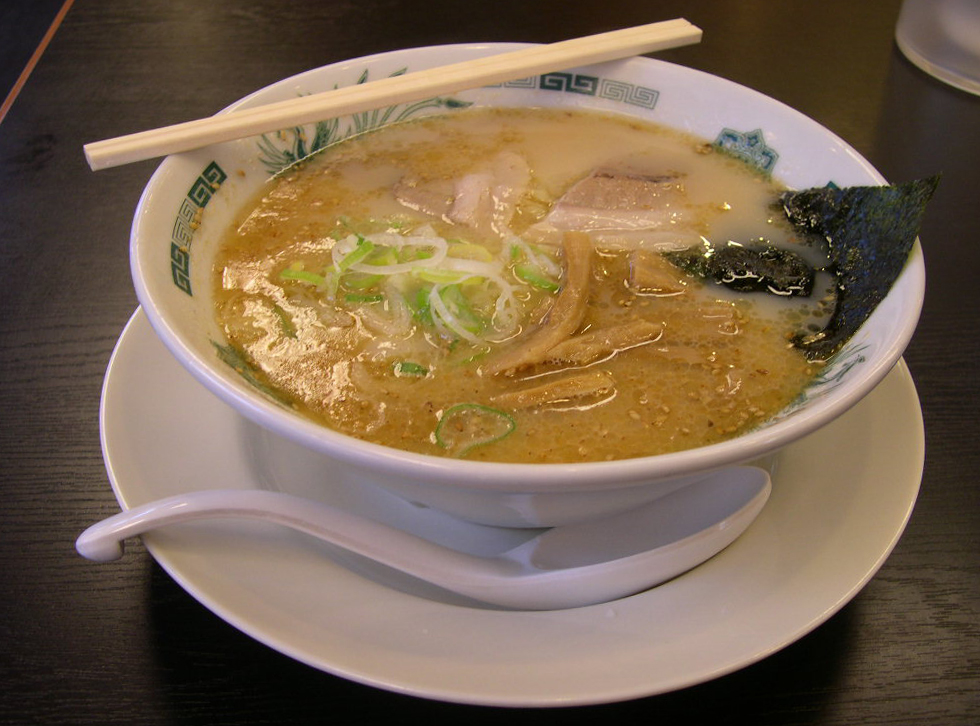
Savor the Sensations: Crafting a Rich Vegan Tonkotsu Ramen at Home
The mere mention of tonkotsu ramen often conjures images of a deeply satisfying bowl: a milky, rich broth, springy noodles, and an array of delectable toppings. It’s a dish revered by ramen enthusiasts worldwide, known for its unparalleled depth of flavor and creamy texture. Traditionally, this iconic ramen relies heavily on pork bones, simmered for hours to extract its distinctive character. But what if you crave that same luxurious experience without any animal products? The good news is, it’s not only possible but utterly delicious. Embark on a culinary journey with us as we uncover the secrets to crafting a sensational vegan tonkotsu ramen right in your own kitchen – a dish that delivers all the complex, savory richness and profound sensations of its traditional counterpart.
Understanding the Magic of Tonkotsu (and its Vegan Transformation)
To truly appreciate the vegan rendition, it helps to understand what makes traditional
Tonkotsu Ramen Explained: The Unique Charm of Fukuoka's Pork Bone Broth so special. Originating in Fukuoka, on the Japanese island of Kyushu, tonkotsu ramen is characterized by its opaque, pork bone-based broth. These bones, often combined with chicken bones and vegetables, are traditionally simmered for many hours – sometimes even a full day – until their collagen and marrow emulsify into a rich, creamy, and intensely savory liquid. The result is a distinctively opaque broth, often described as velvety and full-bodied, typically served with firm ramen noodles and sliced pork belly. The appeal lies in this unique texture and profound umami, which sets it apart from other ramen styles like shoyu or miso-based broths.
The challenge for a vegan version, therefore, is multifaceted: how to replicate the unctuous mouthfeel, the deep umami, and the characteristic pale color without any animal products? The ingenious solution lies in a combination of plant-based ingredients carefully chosen for their flavor profiles and textural contributions. Instead of pork bones, we turn to a powerful duo: **sesame and cashews**. Cashews, when blended, create a wonderfully creamy and naturally thick base, while sesame paste (tahini) contributes a nutty richness and further enhances the broth's luxurious texture. This forms the backbone, literally, of our plant-based tonkotsu broth, allowing us to mimic the "sensations that make tonkotsu ramen amazing" without compromise.
The Heart of the Bowl: Crafting Your Vegan Tonkotsu Broth
The broth is, without a doubt, the soul of any ramen, and our vegan tonkotsu ramen is no exception. This isn't just a simple vegetable stock; it's a meticulously built foundation designed to replicate the complex, savory, and thick qualities of traditional tonkotsu.
Building the Umami-Rich Base
Our broth begins with an incredibly flavorful vegetable base. Think of ingredients that naturally exude umami and depth:
- Kombu: This edible kelp is a cornerstone of Japanese cuisine, providing a subtle yet profound savory essence.
- Dried Shiitake Mushrooms: Rehydrated shiitake offer an earthy, meaty umami that's hard to beat. The soaking liquid itself becomes a valuable part of your broth.
- Aromatics: Fresh garlic and ginger are essential. Sautéing them gently before adding liquid will unlock their full aromatic potential, giving your broth a "brothy" and invigorating fragrance.
- Vegetable Stock: A high-quality vegetable stock or even just water as a base, allowing the kombu and mushrooms to infuse their flavors, creates a clean canvas for other elements.
This initial simmer extracts the fundamental savory notes, laying down a robust flavor profile that will be enhanced by the next crucial step.
Achieving the Signature Creaminess: The Sesame Cashew Secret
Here's where the magic truly happens and where our vegan tonkotsu broth truly shines. To emulate the thick, milky, and emulsified texture of pork bone broth, we introduce the power of a **sesame cashew cream**.
- Raw Cashews: Soaked and then blended, cashews create an incredibly smooth, rich, and naturally creamy liquid that mimics the collagenous texture of traditional tonkotsu. They provide the necessary fat and body.
- Toasted Sesame Seeds/Tahini: Toasted sesame seeds, or a good quality tahini (sesame paste), are vital for the characteristic nutty flavor and further thickening. The "heavy on sesame" aroma mentioned in the reference is a key identifier of this delicious broth.
The process involves blending the soaked cashews and sesame seeds (or tahini) with some of the prepared vegetable broth until absolutely smooth. This creamy mixture is then carefully folded back into the simmering umami base. The result is a velvety, opaque broth that clings beautifully to the noodles and carries a deeply satisfying flavor profile, aromatic with sesame, garlic, ginger, and the rich vegetable base. It's this innovative plant-based approach that creates a broth that is both indulgent and nutritionally kind.
Beyond the Broth: Essential Components for a Sensual Ramen Experience
While the broth is undeniably the star, a truly great bowl of tonkotsu ramen is a symphony of textures, colors, and complementary flavors. Each topping plays a vital role in creating that multi-sensory experience.
Noodle Nirvana: The Foundation of Every Slurp
The noodles are more than just a vehicle for the broth; they are an integral part of the experience. For the best homemade ramen, the texture is paramount. We wholeheartedly recommend using **frozen ramen noodles** over their dried counterparts. There is a "vast difference in texture between the two" – frozen noodles boast a superior chewiness and elasticity, often described as "toothy," which is crucial for authentic ramen. Dried noodles, while convenient, simply won't offer the same satisfying bite and mouthfeel. Cook them according to package instructions, ensuring they remain al dente. Overcooked noodles can quickly turn a potential masterpiece into a mushy disappointment.
A Symphony of Toppings: Texture, Flavor, and Visual Appeal
The toppings not only add bursts of flavor and varying textures but also contribute to the visual feast of a beautifully presented ramen bowl.
*
Bamboo Shoots: These provide a delightful, slightly crunchy texture and a subtle, earthy flavor that complements the richness of the broth.
*
Mushrooms: A duo of mushrooms can elevate your ramen.
*
Shiitake Mushrooms: Known for their intense, umami-rich flavor and meaty texture, especially when quickly sautéed or blanched.
*
Enoki Mushrooms: These delicate, stringy mushrooms offer a wonderfully crunchy texture and a mild flavor.
* Feel free to experiment with other mushroom varieties you enjoy, but these two provide a fantastic combination of flavor and crunch.
*
Sweet Corn: A pop of sweetness and vibrant yellow color, corn adds a refreshing contrast to the savory broth.
*
The Star Alternative: Taro Root (or Sweet Potato): One of the most unique and exciting toppings for this vegan tonkotsu ramen is taro root. When prepared correctly, taro offers a fascinating textural contrast – "crispy on the outside but the soft interior soaks up the soup like a sponge."
*
Preparation: Sliced taro root can be baked until slightly crispy, or for a quicker method, boiled until tender. Baking offers a more distinctive crispness, while boiling allows it to become exceptionally soft and absorbent.
*
Sweet Potato Alternative: If taro root is "pretty uncommon" or hard to find, sweet potato is an excellent and readily available substitute. It offers a similar starchy sweetness and a lovely texture when baked or boiled. Just "watch it closely to make sure it cooks properly," as it can soften quickly.
To further elevate your bowl, consider adding finely chopped scallions for freshness, a sheet of toasted nori for a hint of sea flavor, or a drizzle of chili oil for a spicy kick. You could even explore making a vegan "chashu" out of thinly sliced seitan or marinated and pan-fried tofu for an added protein element.
Making it Work: Time-Saving Tips and Culinary Flow
While creating a truly authentic vegan tonkotsu ramen might seem like a daunting task, especially given the complexity of the broth, it’s surprisingly manageable. This dish is indeed "a little complicated for a weeknight," making it more of a **weekend project** – an hour to an hour and fifteen minutes typically. However, with a good workflow and a few smart strategies, you can minimize the active cooking time and maximize the enjoyment.
Streamlining Your Ramen Assembly
The key to efficiency lies in multi-tasking and preparation.
- Prep Ahead: The broth, being the most time-intensive component, can be made entirely in advance. Prepare a large batch of your umami vegetable soup and your sesame cashew cream, then combine them when you're ready to serve. This drastically cuts down on day-of cooking time.
- Simultaneous Cooking: If you're "handy in the kitchen (or if you have some help)," several tasks can be done at once.
- While the broth is simmering, you can prepare your taro root or sweet potato. If baking, get them in the oven. If boiling, you can use the same pot of water you'll use for noodles.
- Use one pot of boiling water for both noodles and mushrooms. Cook the mushrooms first (blanching them quickly), then use the same water to boil your frozen ramen noodles. This saves water, energy, and cleanup.
- Essential Equipment: A good quality blender is non-negotiable for achieving that perfectly smooth sesame cashew cream. A large, heavy pot will be your best friend for simmering the broth evenly.
By organizing your tasks and leveraging these tips, you can transform this luxurious meal from an intimidating project into a joyful and efficient culinary endeavor. This approach allows you to truly master this
Beyond Pork: Mastering Plant-Based Tonkotsu Ramen for a Sensual Feast.
Ultimately, the act of eating ramen is "a very sensual experience." As you dig into your bowl with chopsticks, the steamy aroma – heavy on sesame, garlic, ginger, and rich vegetable notes – envelops you. As you slurp up your first bite, the "toothy ramen noodles flail in the air as the broth clings to them." A bite of the crispy, yet soft, taro root offers a delightful textural contrast, perfectly soaking up the savory soup. It’s a complete sensory journey, from the first aroma to the last satisfying slurp.
Conclusion
Crafting a rich vegan tonkotsu ramen at home is more than just following a recipe; it's an exploration of flavor, texture, and ingenuity. By meticulously building a plant-based broth with sesame and cashews, selecting the finest noodles, and curating a medley of complementary toppings, you can recreate the profound and sensual experience of traditional tonkotsu without compromise. This weekend project is a rewarding endeavor that culminates in a bowl of ramen so rich, complex, and deeply satisfying, you'll undoubtedly find yourself wanting "more than one bowl of this one." So, gather your ingredients, embrace the process, and prepare to savor one of the most remarkable plant-based culinary achievements.