Tonkotsu Ramen Explained: The Unique Charm of Fukuoka's Pork Bone Broth
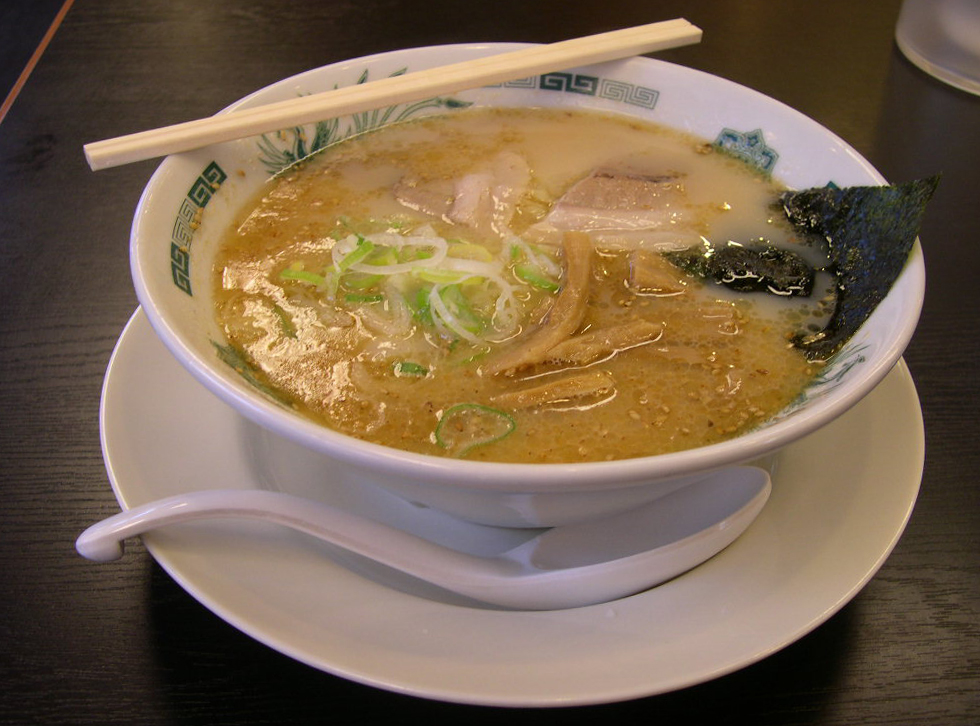
Few dishes capture the heart and soul of Japanese cuisine quite like ramen, and among its many beloved variations, tonkotsu ramen stands as a true icon. Originating from the vibrant culinary landscape of Fukuoka Prefecture on Japan's southern island of Kyushu, tonkotsu ramen is renowned for its distinctively rich, creamy pork bone broth. It’s a culinary masterpiece that has captivated palates worldwide, offering an unparalleled depth of flavor and a truly sensual dining experience.
While many ramen enthusiasts have savored a bowl of this creamy delight, understanding what truly sets tonkotsu apart from soy-sauce- or miso-based ramens unveils the artistry behind its creation. It's more than just a meal; it's a testament to patience, tradition, and the magic that happens when humble ingredients are transformed into something extraordinary. From its cloudy appearance to its deeply savory taste, every element of tonkotsu ramen contributes to its unique and enduring charm.
The Genesis of a Legend: What Makes Tonkotsu Ramen Unique?
At its heart, the unparalleled uniqueness of tonkotsu ramen lies in its foundational element: the broth. Unlike other ramen styles that might feature clearer, lighter broths, tonkotsu presents a milky, opaque, and incredibly rich soup base. This characteristic texture and profound flavor are a direct result of its traditional preparation methods.
The name "tonkotsu" itself literally translates to "pork bone," clearly indicating the primary ingredient. This ramen style is a specialty dish deeply intertwined with the food culture of Fukuoka and the broader Kyushu region. Historically, it was a humble, hearty meal for fishermen and laborers, a testament to its fortifying qualities. The traditional broth is made by vigorously simmering pig bones, often including pork femurs and trotters, for many hours—sometimes exceeding 10 to 18 hours. This prolonged, high-heat cooking process breaks down the collagen and marrow from the bones, causing them to emulsify into the water. This scientific marvel is what gives the broth its signature milky appearance and luscious, creamy texture, along with an incredible depth of umami and a satisfying mouthfeel that lingers long after each spoonful.
The Art of the Broth: A Culinary Masterpiece
Crafting the perfect tonkotsu ramen broth is a labor of love, a true culinary art form that demands patience and precision. The process begins with carefully selected pork bones, which are typically blanched first to remove impurities and ensure a clean, pure flavor. After blanching, the bones are transferred to a large, heavy pot and submerged in water, often with the addition of aromatic vegetables like garlic, ginger, and green onions, and sometimes even chicken bones for an added layer of complexity and depth. These ingredients are then brought to a rolling boil and maintained at a high simmer, often with the pot lid off, for an extended period.
Throughout the simmering process, the cook must continually skim off any impurities that rise to the surface, ensuring the broth remains clean and its flavors are concentrated. The constant, vigorous boil is crucial as it facilitates the breakdown and emulsification of fats and collagen, transforming the water into the iconic opaque, white broth. This extensive cooking extracts every ounce of flavor, collagen, and richness from the bones, resulting in a soup base that is incredibly savory, aromatic, and deeply satisfying. The final broth is a testament to the transformative power of time and heat, producing a liquid gold that forms the soul of every tonkotsu bowl.
Beyond the Broth: Essential Components of a Tonkotsu Bowl
While the broth is undeniably the star, a complete bowl of tonkotsu ramen is a symphony of textures and flavors, each component playing a vital role in the overall sensory experience. The chosen noodles are particularly important; traditional tonkotsu often features thin, straight ramen noodles that are cooked to a firm al dente consistency (known as katame). These toothy noodles are specifically chosen because their slender shape and firm texture allow them to absorb and cling to the thick, creamy broth beautifully, ensuring every slurp is bursting with flavor.
The toppings provide essential contrasts and additional layers of taste:
- Chashu: Thinly sliced, slow-braised pork belly, melt-in-your-mouth tender, offering a savory, slightly sweet counterpoint to the rich broth.
- Kikurage: Sliced wood ear mushrooms, providing a delightful crunch that contrasts with the softness of the noodles and pork.
- Green Onions: Finely chopped, they add a fresh, pungent bite and vibrant color.
- Beni Shoga: Pickled red ginger, offering a bright, zesty palate cleanser that cuts through the richness of the broth.
- Nori: Sheets of dried seaweed, adding a hint of brininess and umami.
- Ajitama: A perfectly soft-boiled egg, marinated in a soy-based sauce, its creamy yolk mingling with the broth.
As you dig into a bowl of tonkotsu, the experience is truly sensual. The steamy aroma, heavy with savory notes of garlic, ginger, and pork, hits you first. As you lift your chopsticks, the noodles flail in the air, generously coated in the thick, flavorful broth. Each bite is a complex interplay of textures—the firm noodles, the tender chashu, the crunchy mushrooms—all bathed in that luxurious, aromatic soup. It's a culinary journey that engages all the senses, making each bowl an unforgettable delight.
Crafting Your Own Tonkotsu Experience at Home
Recreating authentic tonkotsu ramen at home is undoubtedly a rewarding weekend project. While the traditional broth-making process requires significant time and a large, heavy pot for simmering, the satisfaction of a homemade bowl is unparalleled. For home cooks, sourcing high-quality pork bones is key, and patience is your best ingredient as you commit to the hours of simmering that yield that coveted creamy consistency. When it comes to noodles, using frozen ramen noodles is highly recommended over dried ones, as they offer a vastly superior texture and mouthfeel that more closely mimics restaurant-quality ramen.
Beyond the classic toppings, don't hesitate to experiment. Taro root, when sliced and baked, provides a unique crispy exterior and a soft, absorbent interior that soaks up the broth beautifully. Sweet potato can also be a fantastic alternative to taro. Shiitake mushrooms offer intense flavor, while enoki mushrooms add a delightful crunch, allowing you to tailor your bowl to your personal preferences. You can also boil many of these toppings, like taro or mushrooms, in the same water used for noodles to streamline your cooking process.
While the traditional approach is a labor of love, the culinary world has also innovated, creating remarkable plant-based versions that capture the same richness and umami profile of tonkotsu ramen. For those seeking to explore this route and achieve that distinct tonkotsu sensation without pork, articles like Savor the Sensations: Crafting a Rich Vegan Tonkotsu Ramen at Home and Beyond Pork: Mastering Plant-Based Tonkotsu Ramen for a Sensual Feast offer fantastic guidance on achieving that distinct tonkotsu sensation, proving that the essence of this dish can be reimagined for diverse palates.
From its humble beginnings in Fukuoka, tonkotsu ramen has evolved into a global culinary phenomenon, cherished by children and adults alike. Its unique charm lies in the meticulous art of its broth—a testament to time, dedication, and the transformative power of simple ingredients. Whether enjoyed in a bustling ramen shop in Japan, prepared with care at home, or savored in a plant-based iteration, the profound richness and complex sensory experience of tonkotsu ramen continue to captivate and satisfy, solidifying its place as one of the most beloved and iconic dishes in Japanese cuisine.
